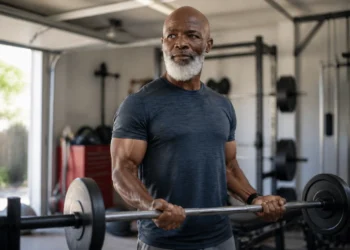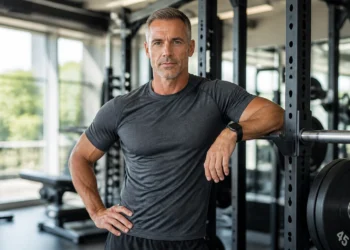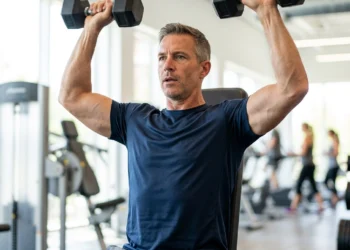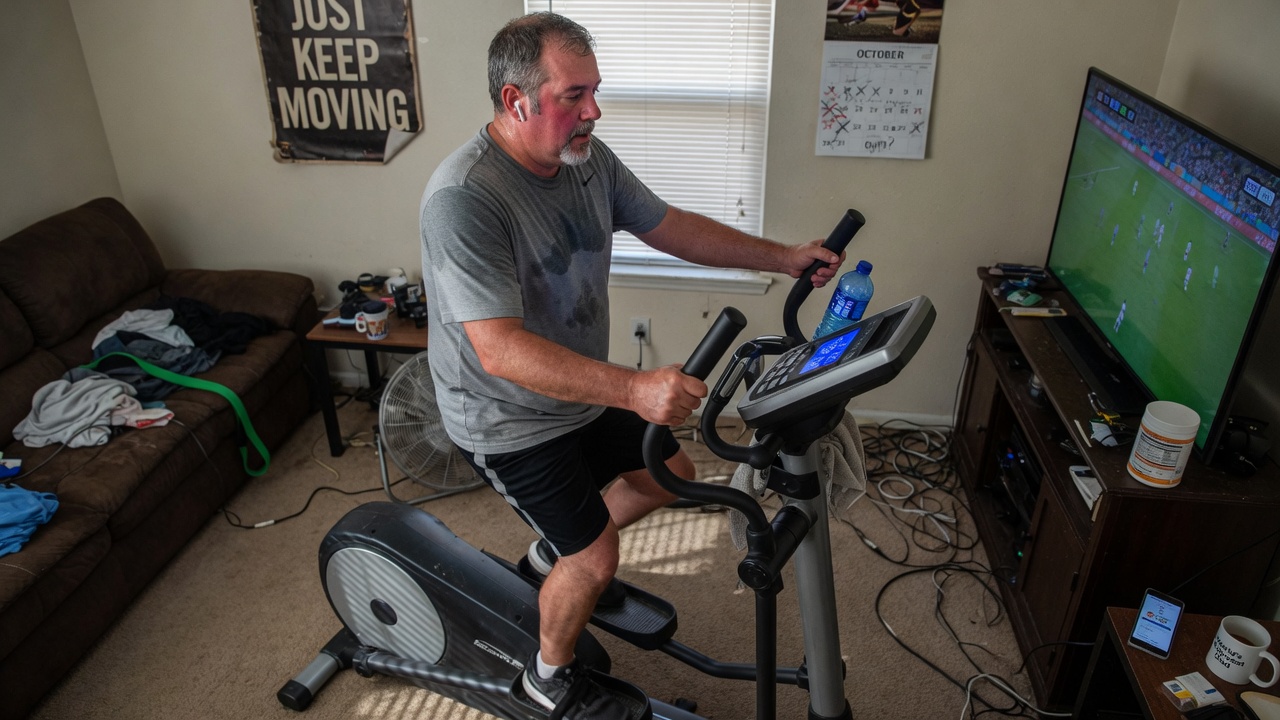
Wondering if high-intensity interval training (HIIT) is right for you after 40? You’re not alone.
Many men in their fifties and beyond question whether these short, intense workouts are safe for aging bodies or just a trend best left to younger folks.
HIIT workouts are generally safe and effective for men over 40 when done properly. Research shows that high-intensity interval training is well-tolerated by older adults and can deliver impressive health benefits.
In fact, scientists reviewed 69 studies on HIIT for older adults and found positive results across the board.
We believe HIIT deserves consideration in your fitness routine. These workouts can be modified to match your fitness level, and they’re time-efficient too.
While it’s always important to get medical clearance before starting any new exercise program, HIIT could be the perfect way to challenge your body and maintain strength as you age.
Understanding HIIT and Its Effectiveness for Older Men
HIIT workouts offer significant benefits for men over 40, combining short bursts of intense activity with brief recovery periods.
Research shows these workouts can improve fitness more efficiently than traditional exercise while adapting well to the changing physiology of older men.
The Science of High-Intensity Interval Training
HIIT involves alternating between periods of maximum effort and short rest intervals. This approach triggers powerful changes in our bodies.
When we push to near-maximum intensity, our muscles demand more oxygen than we can supply, creating an “oxygen debt” that our bodies must repay during recovery.
This process boosts our mitochondrial function – the tiny “power plants” in our cells that produce energy. For men over 40, this is crucial as mitochondrial efficiency naturally declines with age.
HIIT also improves VO2max (our maximum oxygen uptake) more effectively than steady exercise. Research indicates a 20-minute HIIT session burns more calories than longer traditional workouts.
HIIT in the Context of Aging
As we age, our bodies undergo changes that affect exercise performance. After 40, we typically experience:
- Decreased muscle mass
- Reduced cardiovascular capacity
- Slower recovery times
- Changes in hormone levels
The good news? HIIT addresses these age-related challenges effectively. Studies show HIIT improves left ventricular systolic performance (heart function) in older adults better than moderate continuous training.
HIIT also stimulates skeletal muscle adaptations that help preserve strength and function. These workouts trigger the release of growth hormones that support muscle maintenance – critical for men over 40.
While intense, properly designed HIIT programs are safe for healthy older adults. We simply need to modify intensity based on individual fitness levels.
Safety Concerns and Precautions for Men Over 40
While HIIT offers numerous benefits, men over 40 need to approach this intense exercise style with caution. Safety should always come first, especially for those with existing health conditions or who are new to high-intensity workouts.
Potential Risks Associated with HIIT
HIIT workouts push your body to its limits, which can create certain risks for men over 40. The intense nature of these workouts places significant stress on your cardiovascular system, potentially increasing heart attack risk in those with undiagnosed heart conditions.
Joint stress is another concern. The explosive movements in many HIIT routines can aggravate existing joint problems or create new ones, especially in the knees, hips, and lower back.
Recovery becomes more challenging as we age. Our bodies need more time to heal after intense exercise, and doing too much HIIT can lead to overtraining syndrome. This may cause persistent fatigue, decreased performance, and increased injury risk.
Dehydration and heat-related issues can also occur more easily in older adults during high-intensity exercise.
Pre-exercise Screening and Safety Tips
Getting medical clearance is essential before starting HIIT. We strongly recommend consulting with your doctor, especially if you have cardiovascular disease, high blood pressure, or joint problems.
A fitness assessment with a qualified trainer can help identify your current fitness level and any movement limitations. This information is crucial for creating a safe, personalized HIIT program.
Start slowly and progress gradually. Begin with modified, lower-intensity versions of HIIT and extend recovery periods between intense bursts. Aim for 1:2 or 1:3 work-to-rest ratios rather than the more demanding 1:1 ratio.
Listen to your body during workouts. If you feel dizzy, extremely short of breath, or experience chest pain, stop immediately and seek medical help.
Proper warm-up and cool-down periods are non-negotiable. Spend 5-10 minutes warming up to prepare your muscles and cardiovascular system.
Developing a Sustainable HIIT Routine
Creating a HIIT routine that you can maintain long-term requires careful planning for both workout structure and recovery. Finding the right balance helps maximize benefits while reducing injury risk.
Crafting the Right HIIT Program
For men over 40, we recommend starting with a modest HIIT program of 1-2 sessions per week. Begin with a 1:2 work-to-rest ratio – perhaps 30 seconds of intense exercise followed by 60 seconds of recovery. As your fitness improves, you can gradually adjust to a 1:1 ratio.
Choose exercises that match your fitness level and any physical limitations. Low-impact options like cycling, swimming, or elliptical machines put less stress on joints than running or jumping.
A good starter workout might look like this:
- 5-minute warm-up (light cardio)
- 4-6 intervals (30 seconds high intensity, 60 seconds recovery)
- 5-minute cool-down (gentle stretching)
Gradually increase intensity and duration over weeks, not days. Listen to your body!
Incorporating Recovery and Nutrition
Recovery is essential for HIIT success, especially for older adults. We suggest at least 48 hours between sessions to allow your muscles to repair and strengthen.
Active recovery days can include walking, yoga, or light swimming to promote blood flow without adding stress. Quality sleep is crucial too – aim for 7-8 hours nightly.
Your nutrition should support your training efforts:
- Protein: Consume 20-30g within an hour after exercise
- Hydration: Drink water before, during, and after workouts
- Anti-inflammatory foods: Include berries, fatty fish, and leafy greens
Track how you feel after workouts. Excessive fatigue or persistent soreness means you should adjust your routine. Remember, consistency beats intensity for long-term health benefits.