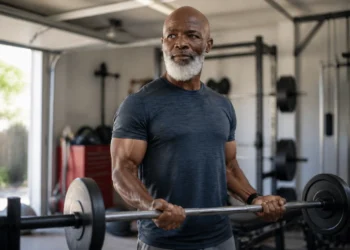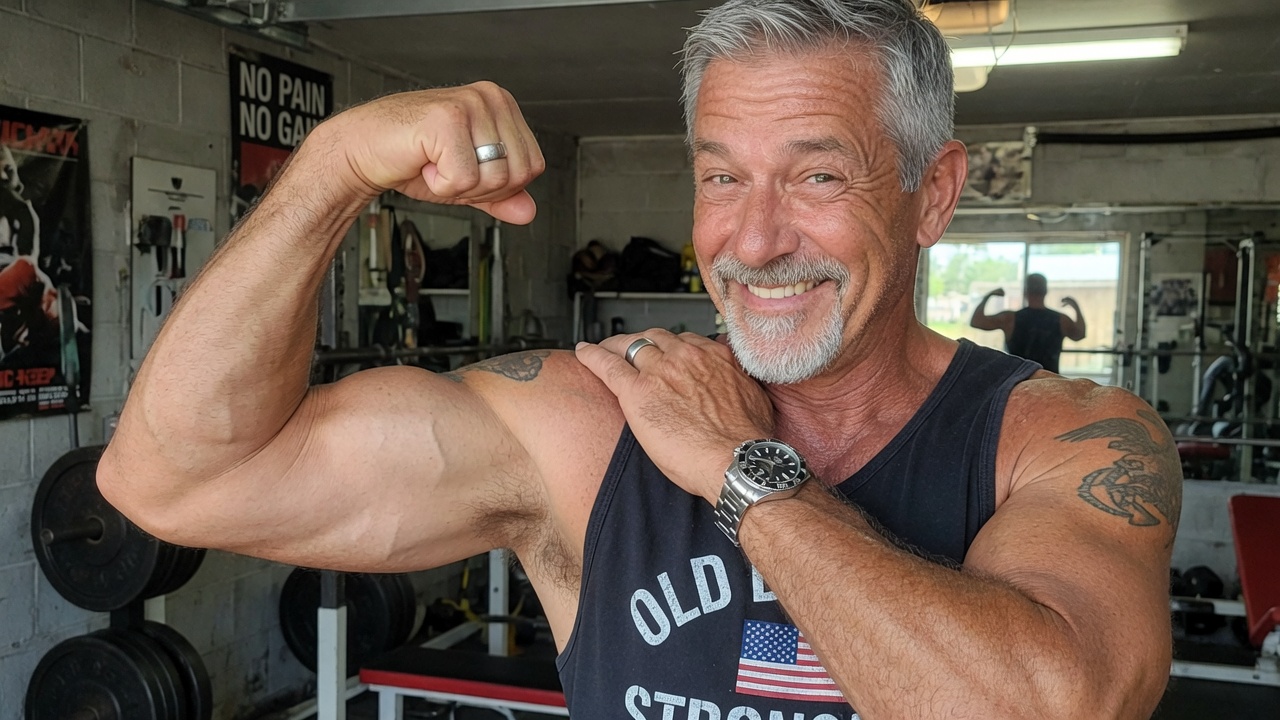
Age is just a number when it comes to strength training! As we hit 50 and beyond, staying active becomes even more important for our overall health.
Many men worry that they can’t train hard anymore, but that’s simply not true.
Strength training for men over 50 can include effective exercises like push-ups, squats, lunges, and dumbbell work that build muscle without putting too much strain on your body.
These workouts can be done at home with minimal equipment, making fitness accessible no matter your schedule or gym access.
We believe that aging doesn’t mean giving up on fitness goals or accepting weakness. With the right approach, we can maintain muscle, boost confidence, and enjoy better health.
The journey to strength after 50 isn’t about competing with your younger self; it’s about creating the strongest, healthiest version of you today.
Understanding the Benefits of Strength Training in Later Years
Strength training offers remarkable benefits for men over 50. We’ve found that regular resistance exercises can transform health outcomes and quality of life for older adults in several important ways.
Improving Muscle Mass and Strength
As we age, our bodies naturally lose muscle mass—a condition called sarcopenia. After 50, this loss accelerates to about 1-2% per year without intervention.
The good news is that consistent strength training can reverse this trend. Just 2-3 sessions per week can help maintain and even build new muscle tissue.
Studies show that older adults can increase their strength by 25-100% within just a few months of starting a program.
Stronger muscles mean we can perform daily activities with greater ease. Tasks like carrying groceries, climbing stairs, or playing with grandchildren become less challenging.
The benefits extend beyond physical strength. Increased muscle mass also boosts metabolism, helping maintain healthy weight as we age.
Boosting Bone Density and Joint Health
Strength training is a powerful tool for fighting osteoporosis—a condition that affects many men over 50. When we lift weights, we create beneficial stress on our bones, stimulating them to become stronger and denser.
Research indicates that regular resistance exercises can:
- Slow bone loss
- Reduce fracture risk
- Improve overall bone mineral density
For those with arthritis, strength training can be especially helpful. Stronger muscles better support our joints, reducing pain and improving function. We’ve seen many men report decreased arthritis symptoms after beginning a consistent strength routine.
Just remember that proper form is crucial. Starting with lighter weights and focusing on controlled movements helps protect joints while still providing benefits.
Enhancing Balance and Mobility
Falls represent a serious health risk for older adults. Strength training directly improves the physical factors that prevent falls—balance, coordination, and mobility.
Core and lower body exercises strengthen the muscles that keep us stable. When we strengthen our legs and core, everyday movements become safer and more efficient.
The confidence gained from improved physical capability shouldn’t be underestimated. Many men report feeling more self-assured in their movements after establishing a strength routine.
Simple exercises like squats, lunges, and standing calf raises can dramatically improve mobility.
We recommend including balance-specific exercises like single-leg stands or heel-to-toe walking for maximum benefit.
Even those with limited mobility can participate using seated exercises or resistance bands. The key is consistency and gradual progression.
Designing a Safe and Effective Workout Routine
Creating a workout plan after 50 requires thoughtful consideration of your current fitness level and health needs. We need to balance strength training with cardiovascular exercise while making flexibility and balance key components of any routine.
Key Strength Training Exercises for Men Over 50
Strength training is crucial for maintaining muscle mass as we age. Aim to train major muscle groups twice weekly using moderate weights. Start with compound exercises that work multiple muscle groups at once.
Essential Exercises:
- Squats (with or without weights) for lower body strength
- Push-ups (regular or modified) for chest and arms
- Planks for core stability
- Dumbbell rows for back strength
Consider using resistance bands as a gentler alternative to free weights. These provide consistent tension throughout movements and are easier on the joints.
If you’re new to strength training, working with a personal trainer for a few sessions can help ensure proper form. Remember to start light and gradually increase intensity over time.
Incorporating Cardiovascular Activities
Cardio helps maintain heart health and supports your strength training efforts. We recommend 150 minutes of moderate-intensity activity spread throughout the week.
Effective Cardio Options:
- Brisk walking (easiest to start with)
- Swimming (excellent for joint health)
- Cycling (indoor or outdoor)
- Rowing (full-body workout)
Mix up your cardio activities to prevent boredom and reduce repetitive stress on joints. Try doing shorter 10-15 minute sessions if longer workouts seem overwhelming at first.
Schedule cardio on different days from your strength training when possible, or do it after your strength work, not before.
Flexibility and Balance Training Techniques
As we age, flexibility and balance become increasingly important for preventing falls and maintaining mobility. Include these elements at least twice weekly.
Daily Flexibility Routine:
- Gentle neck stretches
- Shoulder rolls
- Hamstring stretches
- Calf stretches
- Hip opener stretches
For balance training, try standing on one foot while brushing your teeth or practice heel-to-toe walking. Yoga and tai chi are excellent activities that combine both flexibility and balance training.
Many of these exercises can be done at home with minimal equipment. A yoga mat, a few resistance bands, and light dumbbells are enough to create an effective home gym setup.
Addressing Common Health Concerns and Adjustments
Strength training offers significant health benefits for men over 50, but it’s important to address specific health concerns that may arise. Proper adjustments to your routine can help prevent injury while maximizing results.
Managing and Preventing Chronic Conditions
Strength training can help manage several common health issues that affect older adults. For men with high blood pressure, regular resistance exercise has been shown to improve cardiovascular health and potentially lower blood pressure when done correctly.
If you have diabetes, strength training improves insulin sensitivity and helps control blood sugar levels. Studies show consistent training can reduce the need for medication in some cases.
For those concerned about osteoporosis, weight-bearing exercises strengthen bones by increasing bone density. This is especially important as we age and naturally lose bone mass.
Men dealing with obesity or weight control issues benefit from increased metabolic rate that comes with having more muscle. More muscle mass burns more calories even at rest!
Modifications for Pain and Injury Prevention
Back pain is common among men over 50. We recommend starting with core-strengthening exercises like planks or gentle bridges to build support for your spine. Always maintain proper form to protect your back.
For those with arthritis, try:
- Water-based exercises that reduce joint stress
- Isometric exercises that don’t require joint movement
- Resistance bands instead of heavy weights
Adjust your fitness level gradually. Begin with 2-3 sessions weekly using lighter weights and more repetitions before increasing intensity.
Rest periods between workouts are crucial! Our bodies need more recovery time as we age. Plan for at least 48 hours between training the same muscle groups.
If you experience pain (not just muscle soreness), stop the exercise and consult a healthcare provider before continuing your program.
Staying Motivated and Tracking Progress
Finding motivation for strength training after 50 isn’t always easy. We understand that some days, getting to the gym feels like climbing a mountain. That’s why tracking your progress is so important.
Try keeping a simple workout journal. Write down your sets, reps, and weights for each exercise. This helps you see improvements that might otherwise go unnoticed.
Using fitness apps can make tracking even easier. Many of us find that seeing our progress visually keeps us coming back for more!
Setting realistic goals is crucial for staying motivated. Instead of focusing only on building huge muscles, celebrate when you can lift heavier or complete more repetitions.
Working with a personal trainer, even just once a month, can refresh your routine and keep you accountable. They can help ensure you’re building lean muscle mass safely.
Find a workout buddy your age. Having someone to share the journey makes showing up much easier, especially on tough days.
Take progress photos every 4-6 weeks. We often don’t notice changes in our bodies day-to-day, but comparing photos can be very motivating!
Remember to celebrate small wins:
- Adding 5 pounds to your bench press
- Completing an extra set
- Simply showing up consistently
Building your body after 50 is a marathon, not a sprint. Be patient with yourself and recognize that consistency matters more than intensity.